
 By admin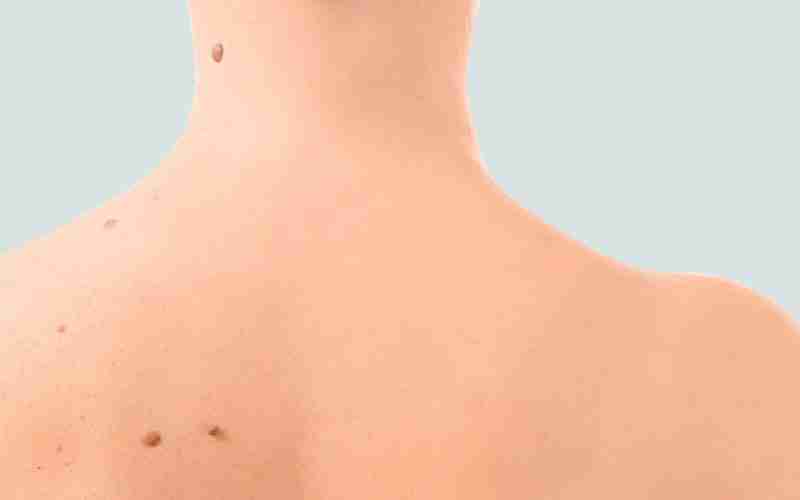
Moles are common skin growths that can appear anywhere on the body. While most moles are benign and pose no health risk, some individuals choose to have them removed for cosmetic reasons or due to concerns about potential malignancy. Dermatologists offer several proven solutions for mole removal, each tailored to the specific characteristics of the mole and the preferences of the patient.
Before proceeding with any removal method, a thorough examination by a dermatologist is essential. This ensures that the mole is benign and determines the most appropriate treatment approach. In cases where there is suspicion of melanoma or other skin cancer, a biopsy may be conducted before removal.
One of the most common methods for mole removal is surgical excision. This technique involves numbing the area with local anesthesia and cutting out the entire mole along with a margin of surrounding tissue using a scalpel or surgical scissors. The wound is then closed with stitches, which may leave a small scar but effectively removes deeper moles and those suspected of being cancerous.
For smaller moles that do not penetrate deeply into the skin, shave excision may be recommended. This procedure also involves local anesthesia but differs in execution; instead of cutting deep into https://moleremovalat.com/warts/body/knees/ the skin layers, only superficial portions are shaved off using a blade. Shave excision typically results in minimal scarring compared to full-thickness excisions.
Laser therapy offers another option for removing certain types of moles, particularly those that are flat and pigmented rather than raised above skin level. Lasers emit concentrated light beams targeting pigment within cells without damaging surrounding tissues significantly—resulting in less discomfort post-procedure while promoting faster healing times overall compared against traditional surgery options like incisional techniques mentioned earlier hereinabove!
Cryotherapy represents yet another viable solution: freezing unwanted growths through liquid nitrogen application directly onto affected areas until they become blistered over time eventually falling away naturally thereafter (albeit sometimes requiring multiple sessions depending upon size/location involved). However this method might not work well if dealing specifically w/ deeply embedded lesions since penetration depth limited somewhat inherently via nature process itself unfortunately enough so alternative approaches better suited under circumstances described already previously discussed too throughout entirety article thus far presented today here now finally concluding shortly soon ahead…
Ultimately though choice best suited individual needs/preferences should always guide decision-making processes regarding which particular strategy pursued ultimately end result desired achieved accordingly based upon comprehensive evaluation performed initially outset prior undertaking any procedures whatsoever related thereto ensuring optimal outcomes attained safely effectively consistently across board regardless situation encountered therein!