
 By admin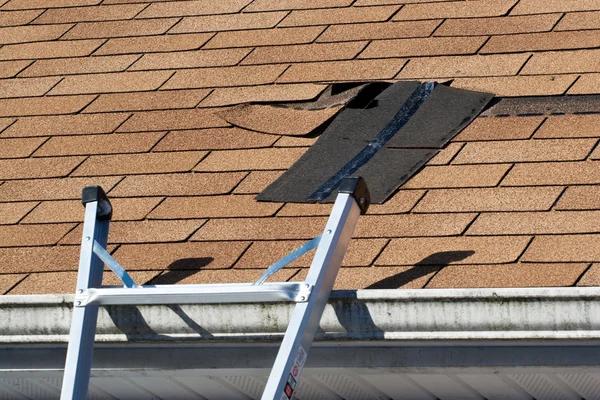
Repairing or replacing your roof after it has sustained damage is a significant decision that requires careful consideration. Your roof plays an essential role in protecting your home from the elements, maintaining energy efficiency, and preserving its structural integrity. When faced with damage, homeowners often grapple with whether to repair or replace their roofs entirely. To make the right choice, it’s important to assess several key factors.
The first step is evaluating the extent of the damage. Minor issues such as a few missing shingles or small leaks can often be addressed through repairs without compromising the overall functionality of your roof. However, if visit the source damage is widespread—such as severe water infiltration, sagging areas, or large sections of missing materials—a replacement may be necessary to ensure long-term durability and safety.
The age of your roof also plays a crucial role in this decision-making process. Most roofing materials have an expected lifespan; for instance, asphalt shingles typically last 20-30 years while metal roofs can endure up to 50 years or more. If your roof is nearing the end of its life expectancy and has sustained significant damage, investing in a full replacement might be more cost-effective than repairing it repeatedly over time.
Another factor to consider is cost-effectiveness. While repairs are generally less expensive upfront compared to replacements, they may not address underlying issues that could lead to further problems down the line. Replacing an old or extensively damaged roof might involve higher initial costs but can save money in terms of reduced maintenance expenses and improved energy efficiency.
Climate conditions should also influence your decision. Homes located in regions prone to extreme weather events like hurricanes or heavy snowfall require durable roofing systems capable of withstanding harsh conditions over extended periods. In such cases, replacing an outdated or weakened roof with modern materials designed for resilience can provide peace of mind and better protection.
Lastly, consult professional roofing contractors for expert advice tailored specifically to your situation. They can conduct thorough inspections and provide recommendations based on their findings while considering local building codes and warranty options available for new installations.
Ultimately, deciding between repairing or replacing a damaged roof depends on various factors including severity of damage, age of the structure, financial considerations, climate concerns—and most importantly—the long-term value it brings back into safeguarding one’s property effectively!